


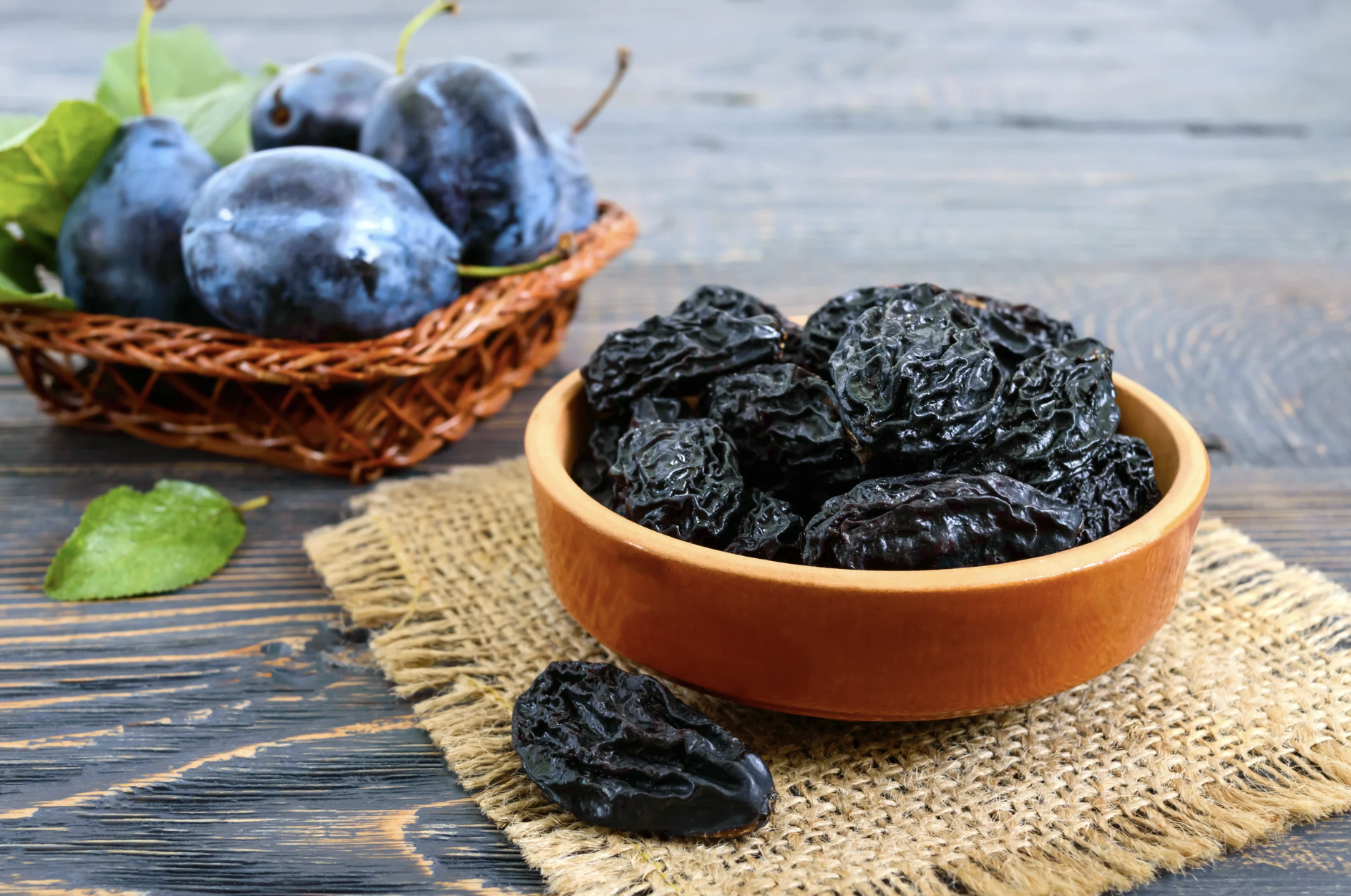
While prunes have long been recognized for their digestive benefits, emerging research indicates they may also support healthy cholesterol levels and help combat inflammation.
The Heart-Protective Properties of Prunes
Incorporating prunes into your daily routine may help optimize cholesterol levels while decreasing oxidative stress and inflammatory responses. Oxidative stress develops when your cells lack sufficient antioxidants to neutralize free radicals (harmful molecules that damage cells).
Research published in 2021 revealed that consuming 50–100 grams of prunes (approximately five to 10 pieces) daily was linked to decreased cardiovascular disease risks. According to Shirin Hooshmand, PhD, RD, a professor of exercise and nutritional sciences at San Diego State University and study co-author, the improvements in cholesterol and inflammatory markers likely resulted from enhanced antioxidant levels.
Comparing Prunes to Fresh Plums
Limited research exists examining the benefits of fresh plums or prune juice specifically. The hot-air drying process used to create prunes extends their storage life and may amplify certain nutritional characteristics, positioning prunes as a more convenient alternative to fresh fruit.
“You might have to eat more plums to receive the same benefit, but the fundamental composition is going to be similar,” Maya Vadiveloo, PhD, RD, FAHA, an associate professor of nutrition at the University of Rhode Island, told Verywell.
Consuming 5–10 dried prunes is typically more manageable than eating an equivalent quantity of fresh plums. However, both whole fruit options are superior to prune juice, Vadiveloo noted.
“Whole fruits and vegetables are rich in fiber, contribute to satiety, and are generally lower in calories,” she said.
Are Prunes Beneficial for Younger Adults?
Although the majority of prune research has focused on postmenopausal women and men aged 55 and older, Vadiveloo emphasized that younger individuals would similarly benefit from adding prunes to their diets.
If prunes don’t appeal to your taste preferences, other fruits such as apples and berries also offer cardiovascular benefits. That said, fruit represents just one component of a nutritious diet. Prioritizing dietary variety with vegetables, legumes, and heart-healthy oils is equally essential, Vadiveloo stressed.
“You can’t add prunes to a diet that’s rich in high-fat red meats or very processed foods and expect it to be a miracle cure,” she said.
Leave a Reply