


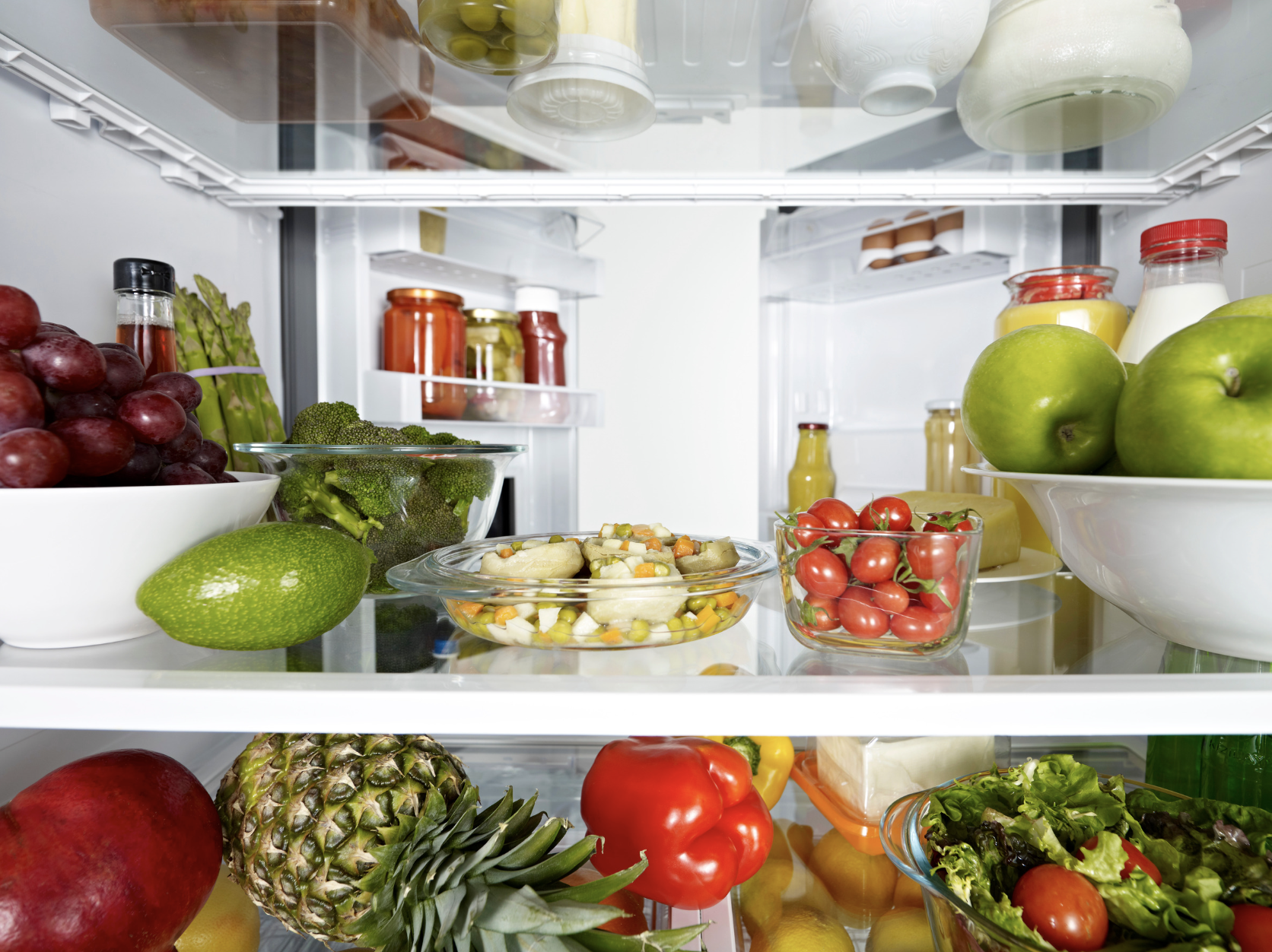
Take a peek inside my refrigerator and you’ll see everything crammed toward the front of each shelf and stuffed into the door compartments. I know perfectly well that this arrangement means I’m wasting valuable fridge space, but I’ve never felt compelled to change my ways. My reasoning has always been simple: why push items to the back of shelves when I can toss them in the doors for instant access—two seconds versus ten? That’s been my philosophy, anyway.
A conversation with a registered dietitian recently changed my perspective entirely. As it turns out, storing certain items in refrigerator doors can actually cause them to spoil prematurely, including one staple that practically everyone keeps on hand. I’m going to share the unexpected food you should never keep in your refrigerator door, along with expert advice on proper storage locations to extend freshness and preserve optimal flavor and texture. Keep reading for the insights that have inspired me to completely reorganize my fridge!
The Surprising Item That Doesn’t Belong in Your Fridge Door
Several items don’t belong in your fridge door (more on those shortly), but butter might be the most unexpected. Yes, that’s right—butter!
Wait a second, you might be thinking. Doesn’t the refrigerator door include a designated compartment specifically for butter? Technically speaking, yes. But that doesn’t mean you should actually use it for that purpose.
“That little covered shelf was originally designed for butter that is used up quickly, within about a week,” says Kathleen Benson, a registered dietitian nutritionist at VNutrition. “If you go through butter fast, it is fine to keep it there short term.” However, if finishing a stick takes you longer than a week, you’ll want to find a different storage location.
Understanding the Problem with Door Storage
Perhaps you’ve heard that refrigerator door temperatures run warmer than temperatures toward the back. While accurate, this isn’t the primary concern with storing butter in the door. Temperature fluctuations pose the real threat.
“Every time you open your fridge, warm air rushes in, and the door shelves are the first place that air hits. This repeated warming and cooling can cause butter to soften and firm up over and over again, which speeds up spoilage and rancidity,” Benson explains.
Spoiled or rancid butter typically won’t cause illness—bacteria that cause sickness require protein to thrive and multiply, while butter consists primarily of fat—but the taste will suffer considerably. According to Benson, these temperature shifts can make butter taste sour or stale, or create a somewhat grainy consistency.
The Better Storage Solution
“Keep butter on a middle or upper shelf toward the back of the fridge,” suggests Benson. “That area maintains a cooler, steadier temperature and helps protect butter from light exposure, which can oxidize fats and cause off flavors.”
This placement helps maintain the butter’s taste and texture, particularly when it remains in its original packaging or a tightly sealed container. “Keeping it tightly wrapped also prevents the butter from picking up odors from nearby foods,” she adds.
As previously mentioned, storing a stick of butter in the door’s covered compartment works fine if you’ll finish it within about a week. But for longer storage or when purchasing multiple sticks, keep the extras on interior shelves.
How Long Butter Actually Stays Fresh
According to Minerva Dairy, a family-owned creamery founded in 1894, unsalted butter maintains freshness in the coldest section of your fridge for up to three months. Salted butter will likely remain fresh for up to five months. You can even freeze butter for up to a year without compromising the flavor or texture.
What About Countertop Storage?
Technically, countertop storage is possible, but you’ll need to follow specific guidelines. “Salted butter can safely sit out at room temperature for a few days if it is kept covered in a dish,” says Benson. “Unsalted butter or flavored butters, like those mixed with garlic or herbs, should not be stored on the counter since they spoil more quickly and can harbor bacteria more easily.”
Additionally, avoid repeatedly moving butter between room temperature and refrigeration. Much like with refrigerator door storage, these temperature variations can alter the butter’s texture and accelerate spoilage.
Other Foods to Keep Out of the Door
Beyond butter, Benson identifies several foods requiring consistently cold temperatures to prevent spoilage, meaning they shouldn’t be stored in the refrigerator door: milk, eggs, raw meat, seafood, soft cheese, and leftovers.
So What Actually Belongs in the Door?
“The door is best for foods that are less temperature-sensitive, such as condiments, pickles, jams and bottled drinks,” Benson says. It also works well for items needing cool but not extremely cold storage, including certain probiotics, medicines, or cosmetics.
However, foods more prone to spoilage (like butter) or contamination deserve storage farther back in the fridge. And honestly, the extra few seconds required to move things around for access is absolutely worthwhile.
Leave a Reply